

Two Different Starting Points
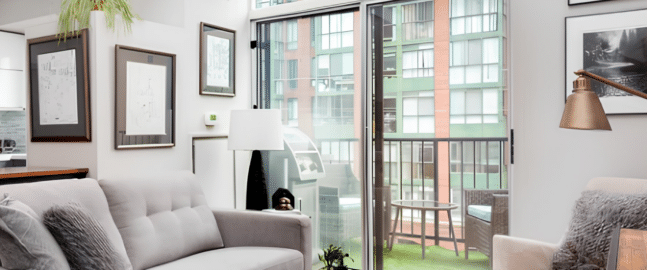
Vacant staging starts from an empty shell — every piece of furniture, art, and accessory is brought in to build the space from scratch. Occupied staging starts from a lived-in home, and the work is about editing what’s there, removing what doesn’t serve the listing, and supplementing gaps rather than a full furniture install.
Why Vacant Homes Need More
An empty room is difficult for most buyers to read — it’s hard to judge scale, flow, or how furniture would actually fit. Vacant staging solves this directly, but it also means every room needs a full package: sofas, tables, beds, rugs, art, and accessories, all selected to suit the home’s size and price point.
Why Occupied Homes Need a Lighter Touch
In an occupied home, the biggest staging win often isn’t new furniture — it’s decluttering, depersonalizing, and rearranging what’s already there so rooms photograph well and feel neutral to buyers. Supplemental pieces — a better area rug, updated bedding, a few key accent pieces — round out gaps without replacing everything.
Cost and Timeline Differences
Vacant staging is a larger investment since it involves a full furniture package for the length of the listing, but it typically has a bigger visual impact on marketing photos. Occupied staging costs less and moves faster, but its ceiling is limited by the seller’s existing furniture and how much they’re willing to pack away or store during showings.
Which One Fits the Listing
Vacant staging tends to make the most sense for higher-end or harder-to-sell properties, where buyers need real help visualizing the space. Occupied staging works well when a seller is living in the home through the listing period and the existing furniture is reasonably neutral and in good condition.
The Takeaway
Neither approach is universally better — the right choice depends on the property, the seller’s timeline, and the budget. A quick walkthrough with a staging company can usually determine which approach will get the strongest return for that specific listing.