

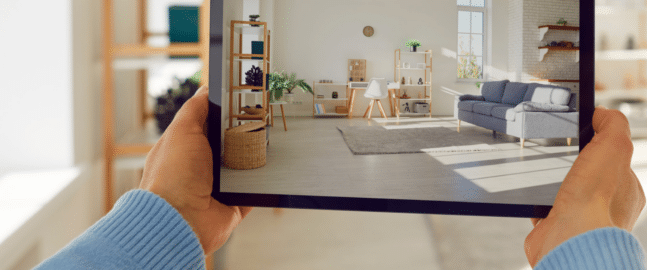
AI has made virtual staging faster, cheaper, and more convincing than it was a few years ago. That’s useful. It’s also made it easier to use in places where it works against the listing. Knowing the difference is what matters.
Virtual Staging Is a Photo Strategy. Physical Staging Is a Showing Strategy.
This is the core distinction. Virtual staging changes what buyers see online. It can’t change what they experience when they walk in. If the home looks furnished and inviting in the photos and empty in person, the buyer has to adjust expectations in real time, and that’s rarely in the seller’s favour.
Where Virtual Staging Helps
- Early marketing: a quick preview of what a vacant space could look like
- Concept visuals: helping a seller picture a staging direction before committing
- Hard-to-stage situations: a property that’s still being cleared, or one with tight timelines
- Budget-limited listings: where full physical staging isn’t realistic, a few well-done images are better than none
Where It Backfires
- The expectation gap. Buyers who arrive at a showing and find an empty room can feel misled, even when the images were technically labelled.
- Scale and flow. Virtual images can make rooms look larger or better proportioned than they are. Buyers notice when the real furniture would never fit the way the image shows.
- Quality problems. AI images sometimes include odd details: warped legs, impossible shadows, furniture that doesn’t sit on the floor. Buyers notice, and it can make the whole listing look careless.
- Showings. Virtual staging does nothing once buyers are inside the home.
Disclose It
Be clear when images have been virtually staged or digitally altered. Boards and brokerages generally expect virtually staged photos to be identified, and the rules continue to change, so confirm what your board requires. Beyond the rules, disclosure protects trust. A buyer who knows the image is virtual isn’t surprised later.
Our View: Use Each for What It Does Best
The strongest approach for most listings is to treat the two as complementary. Use physical staging for the showing and for the photos that represent the home. Use virtual tools for concept images, early previews, and situations where physical staging isn’t possible yet. Don’t use virtual staging to stand in for the real thing when the real thing is what buyers will walk into.
The Takeaway
AI is a good tool and a poor substitute. Used honestly and in the right place, it can help a listing. Used to paper over an empty home, it tends to cost more in buyer goodwill than it saves in staging.